It’s a question that has been asked for years: Are addictions good or bad? While it’s true that drug and alcohol addiction can be deadly, there are also many unhealthy addictions. But is it possible to have a positive addiction? Science has confirmed that addiction is a chronic brain disease that can happen to anyone, yet there is still a popular belief that addiction is the result of a weak character or moral defect. The American Psychiatric Association classifies addiction as a chronic brain disorder and a mental health condition, and includes substance use disorders in the Diagnostic and Statistical Manual of Mental Disorders (DSM-5). To understand the difference between addiction and habit, we must look at the definition of addiction. An issue of the Harvard Mental Health Charter informs us that addiction is an uncontrollable desire and long-term use of a substance.
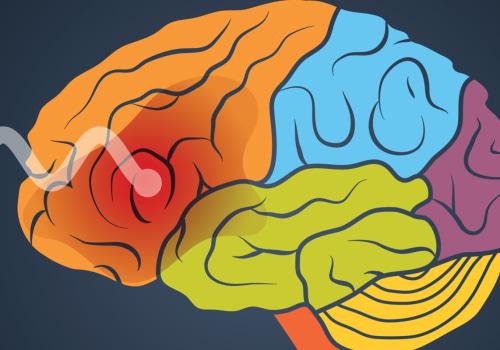
Addiction is considered a brain addiction, involving significant brain changes and alterations to brain circuits responsible for reward, motivation, and self-control.
Research from the 1990s, summarized by Daniel Goleman in The New York Times, showed that rats stimulated in key areas of the mesolimbic dopamine system kept pressing on a bar to maintain stimulation, even when offered food. Addictive behaviors are reinforced by the brain's reward system and the activation of the reward center, which involves nerve cells and dopamine surges. This demonstrates that addiction doesn’t depend on the time spent or the amount consumed. It’s possible to have an addiction to something positive, such as being smart with money or drinking water. Gabor Mate, an Israeli-Canadian addiction expert, defines conventional addiction as any behavior that one engages in on a consistent basis that cannot be stopped despite experiencing negative consequences. These negative outcomes can include adverse consequences and harmful consequences for a person's brain, health, and personal life.
Addictive disorders can include both substance-related and behavioral addictions, and drug addiction is a specific type of addictive disorder recognized by health care providers.
Addiction can develop from the use of legal or illegal drugs, drug misuse, or other drugs, and drug use can lead to increased risk and greater risk of developing substance use disorders.
Addiction is a complex issue and it’s important to remember that it can happen to anyone. It’s important to recognize the difference between healthy and unhealthy addictions and to understand that addiction should be viewed in the same way as other chronic diseases such as diabetes, hypertension and cancer. Mental disorders and other factors, such as genetics and environment, contribute to the risk of addiction, and family involvement and support from health care providers are important in prevention and treatment.
The Role of Intervention
When it comes to drug or alcohol addiction, also known as substance use disorder, intervention can be a turning point on the road to recovery. An intervention is a carefully planned process where family members, friends, or a mental health professional come together to confront a loved one about their substance use, expressing concern and encouraging them to seek treatment. This approach is often necessary because substance use disorders are chronic brain disorders that can cloud judgment and make it difficult for individuals to recognize the negative consequences of their actions.
Addiction medicine recognizes that environmental factors—such as peer pressure, family history, and stressful life events—can increase the risk of developing a substance use disorder. These risk factors, combined with the powerful changes that drugs or alcohol cause in the brain’s reward system, can make it extremely challenging to stop using without help. Withdrawal symptoms, which may include intense cravings, physical symptoms, and psychological distress, often make quitting even harder.
A mental health professional plays a crucial role in this process. Using guidelines from the Diagnostic and Statistical Manual, they can diagnose addiction and help develop a personalized treatment plan. This plan may include prescription medications to manage withdrawal symptoms, especially in cases like opioid use disorder or alcohol use disorder, as well as talk therapy and residential treatment options. Addressing co-occurring mental health disorders, such as bipolar disorder or post traumatic stress disorder, is also essential for effective treatment.
Support from family members and involvement in support groups can make a significant difference in recovery. Recognizing signs of addiction—such as spending money on substances despite legal problems, neglecting personal relationships, or experiencing health problems—can prompt timely intervention. The National Institute on Drug Abuse emphasizes that addiction is a chronic disease, much like heart disease or other chronic diseases, and requires ongoing care and support.
Ultimately, intervention is about helping individuals understand the impact of their substance use and guiding them toward seeking treatment. With the right support, effective treatment, and a strong network of care, it is possible to overcome addiction, address underlying mental health conditions, and build a foundation for healthy lives. Recognizing the need for help and taking the first step can make all the difference in breaking the cycle of addiction and achieving long-term recovery.