
Featured guide
Understanding the Nature of Addictions
Addiction is a chronic illness characterized by compulsive or difficult to control drug seeking and using drugs, despite harmful consequences. Learn more about the nature of addictions.
Addiction is a chronic illness characterized by compulsive or difficult to control drug seeking and using drugs, despite harmful consequences. Learn more about the nature of addictions.

Statistics show that between 40 and 60 percent of individuals with addiction will experience a relapse. Learn about 10 common triggers that can lead to relapse and how to manage them.

Most people who are addicted to substances need at least three months of treatment to stay sober and begin a recovery plan. Learn more about how long it takes to overcome addiction from an expert.

Addiction is a complex issue that affects millions of people around the world. This article explores the causes of addiction, symptoms of addiction, and types of treatment available.

This article discusses three main models of addiction: moral model, disease model & harm reduction model. Learn about each one & how they can help with prevention & treatment.

Learn about the risk factors for drug use and abuse, including genetics, family history, mental health, and the environment. Understand what motivates us and places some people at greater risk of developing addictions than others.
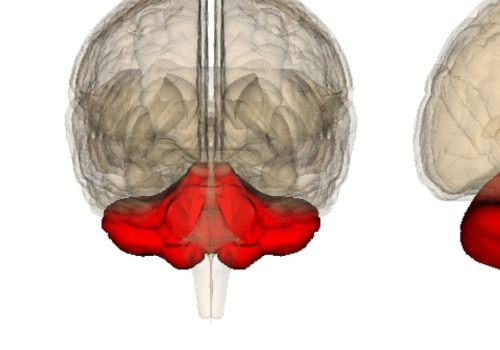
This article reviews evidence involving the cerebellum's role in addictive behavior. We focus on molecular and cellular targets in the cerebellum where addictive drugs can act and induce neuroplasticity mechanisms that may contribute to addiction.
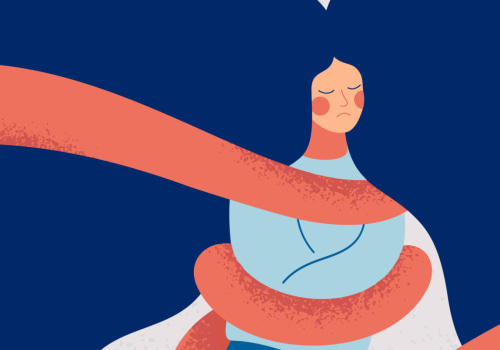
The component model of addictions (CMAT) is an empirically based model that reduces the similarities of addictions to six main components. This model provides a framework for understanding the underlying mechanisms of addiction and for developing effective treatmen